How to Manage Palace Hotels Dress Codes: A Definitive Forensic Guide
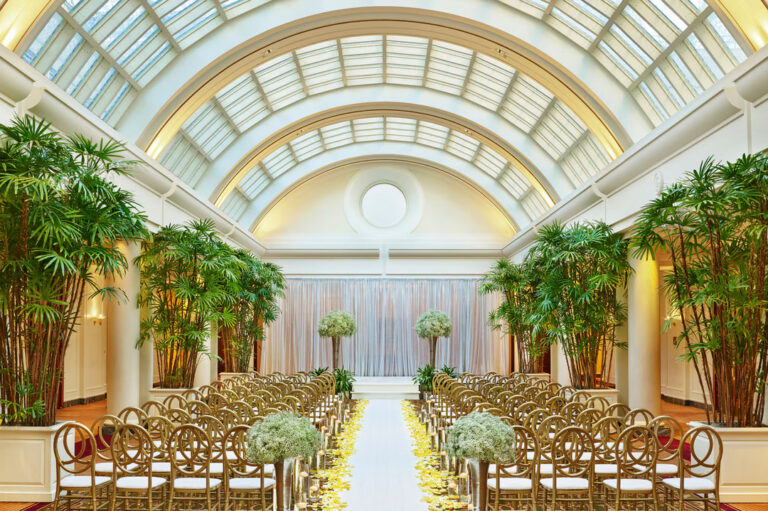
The modern luxury hotel, particularly those housed within historic or “palace-grade” structures, exists in a perpetual state of tension between two divergent forces: the guest’s desire for unfettered personal autonomy and the property’s mandate to maintain a specific, curated atmosphere. This tension is perhaps most visibly—and contentiously—manifested in the establishment and enforcement of dress codes. These policies are not merely lists of prohibited items; they are, in reality, instruments of brand definition, spatial design, and social signaling, designed to preserve the intended “mood” of a physical space that has been meticulously engineered for a high-performance hospitality experience.
When a property attempts to codify its aesthetic expectations, it faces a profound operational paradox. Policies that are too rigid risk alienating the contemporary, mobile-first traveler who prioritizes comfort, while guidelines that are too loose can swiftly erode the sense of occasion that justifies the premium cost of the stay. Consequently, the challenge lies in creating an environment where the dress code acts as a subtle structural guide rather than an overt, confrontational barrier. Success in this domain requires a sophisticated understanding of social ergonomics—the study of how environmental design and social norms intersect to influence human behavior within a shared space.
Effective management of these standards demands an approach that is rooted in nuance, consistency, and a profound respect for the guest’s experience. The objective is to cultivate an environment where compliance feels organic rather than coerced. To achieve this, management must move away from the binary, rule-heavy models of the past and toward a more agile, context-aware framework that considers time of day, location within the property, and the specific nature of the social occasion.
Understanding “how to manage palace hotels dress codes”
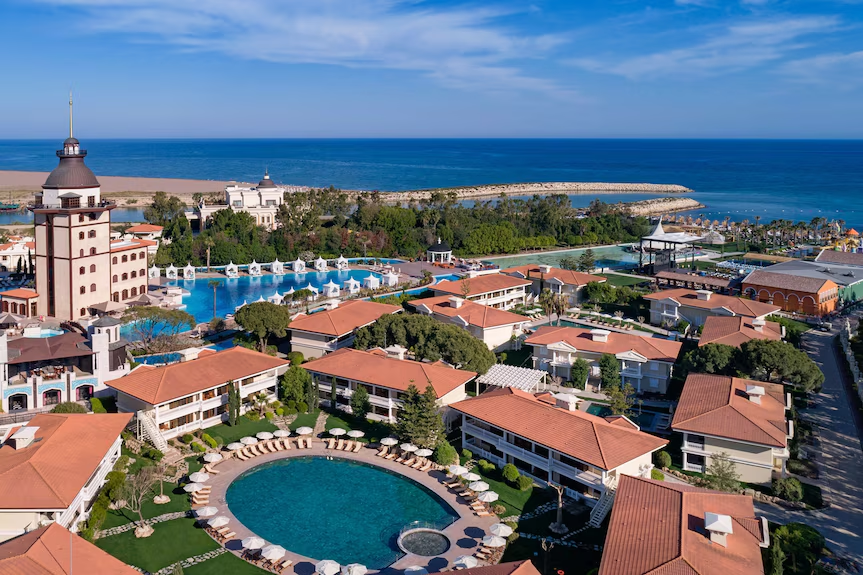
To properly discern the nuances of high-end atmosphere management, one must develop a refined, forensic methodology. Consequently, you can learn how to manage palace hotels dress codes by focusing on multiple dimensions of performance rather than reactive, superficial enforcement mechanisms. The common industry expectation, often driven by legacy protocols, suggests that a blanket policy covering the entire estate is both sufficient and effective. However, this is a dangerous simplification. In reality, a palace hotel is a complex ecology of distinct spaces, each requiring a tailored approach to visual standards.
True expertise begins with recognizing that superior operators are those that successfully navigate the friction between historical expectation and the realities of modern travel. When we explore how to manage palace hotels dress codes in a professional capacity, we are not merely evaluating the efficacy of signage or the sternness of a host. Instead, we are assessing the property’s atmospheric integrity, the depth of its service narrative, and the sustainability of its social model. The primary risk in this sector involves the failure to account for “contextual boundary-setting.” These hotels require different visual protocols for a morning breakfast in a conservatory versus a formal evening engagement in the grand salon.
Identifying Patterns of Stewardship
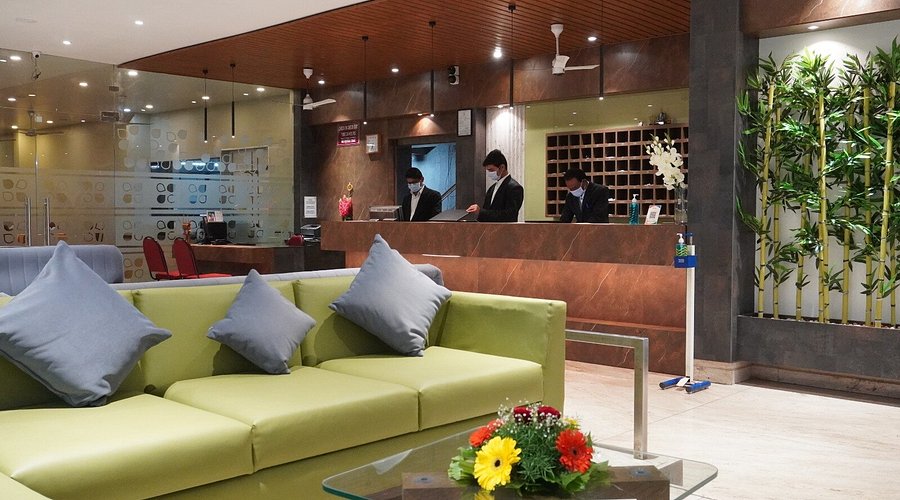
If a destination appears to enforce its standards arbitrarily, it likely indicates a lack of maturity. It suggests the estate’s management strategy is underdeveloped. Furthermore, there is a recurring tendency to ignore the “psychological cost” of heavy-handed enforcement—the very friction that kills the sense of luxury. Expansive properties place unique demands on the service team, requiring them to possess the subtle ability to “guide” behavior rather than “police” it. When we analyze the markers for how to manage palace hotels dress codes, we must look for evidence of this invisible labor. By prioritizing environmental cues—such as lighting, music, and the dress of the staff themselves—the professional operator arrives at an accurate assessment of how to influence guest attire without overt conflict.
The Systemic Evolution of Hospitality Sartorialism
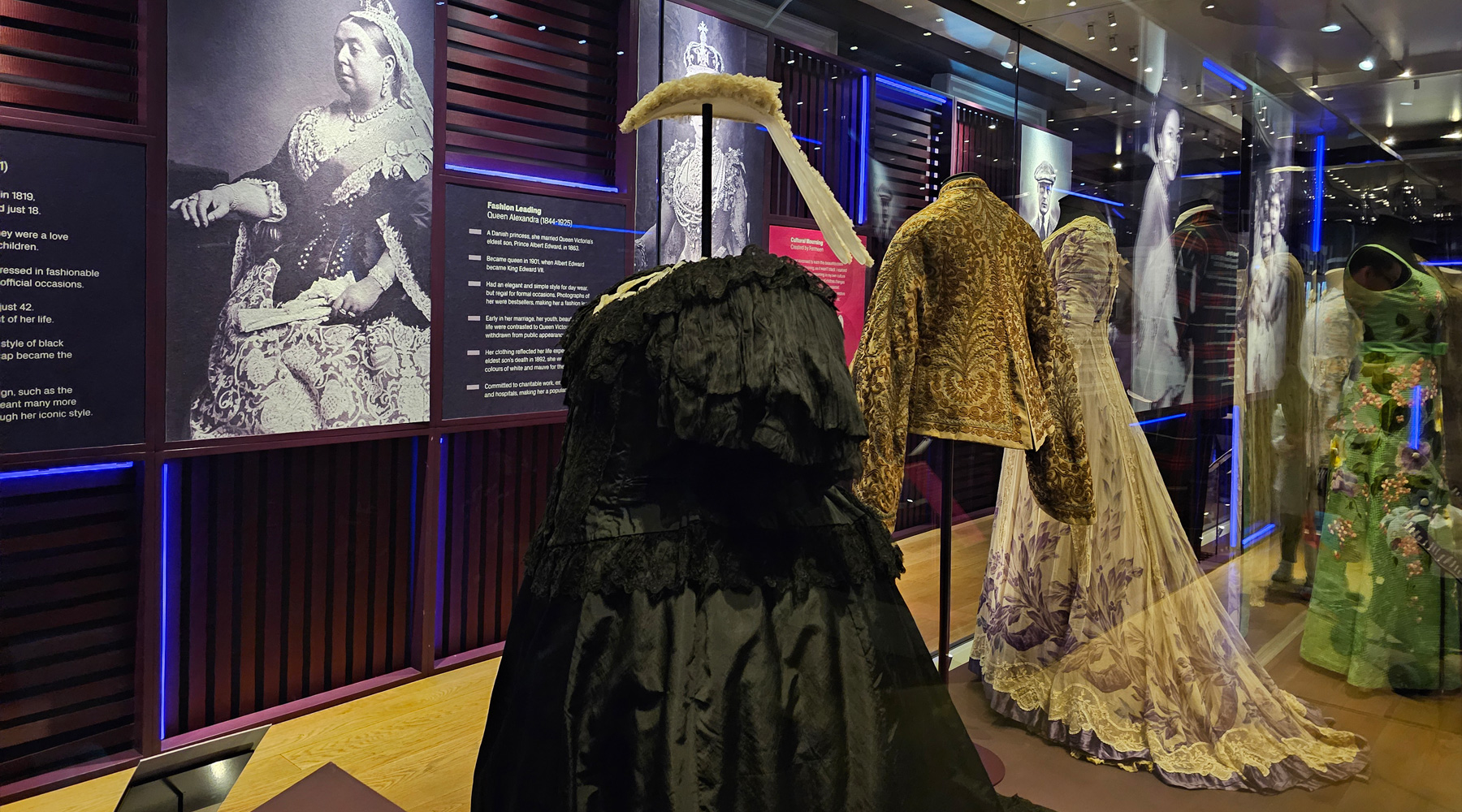
Historically, the palace hotel served as a social theater, where the dress code was a mechanism for class distinction. Connectivity was absent, and the “rules” were understood by the small, homogenous demographic that could afford access. The shift toward the modern, globalized boutique retreat emerged from the necessity of accommodating a more diverse range of guests while still preserving the property’s historical narrative.
This transition created a new friction point: the gap between the modern traveler’s demand for frictionless comfort and the building’s requirement for a specific, elevated tone. We have now entered the epoch of “integrated atmosphere stewardship.” Modern managers are moving toward models that view the destination through a lens of managed coexistence. These sites prioritize atmosphere, safety, and operational transparency. When we consider the current state of how to manage palace hotels dress codes across the industry, the modern expectation is to identify venues that treat their sartorial standards as an extension of the local heritage ecosystem.
Conceptual Frameworks and Mental Models
To assess the operational and qualitative success of a dress-code strategy, apply these three frameworks:
-
The Atmospheric Integration Index: This measures how thoroughly the expected dress standard is communicated through the environment itself—lighting, furniture choices, and staff attire—rather than through explicit, text-heavy policies.
-
The Situational Context Model: This evaluates the estate’s ability to differentiate standards based on the “social density” and function of different zones within the property. It is a leading indicator of long-term operational harmony.
-
The Elasticity-of-Enforcement Ratio: This calculates how the property adjusts its interventions in response to different demographics or seasonal visitor shifts. It assesses the agility of the management team’s soft-skill recovery protocols.
Key Categories and Operational Variations
| Category | Infrastructure Focus | Stability Signal | Primary Trade-off |
| Integrated-Atmospheric | Environmental design | Extremely high reliability | High cost-of-planning |
| Curated-Informational | Clear, pre-arrival communication | High clarity | Potential for rigidity |
| Service-Guided | High-touch staff engagement | High personalization | Operational intensity |
| Zone-Specific | Architectural segmentation | Consistent physical experience | Complex signage/zoning |
Decision Logic for Stakeholders
When stakeholders determine how to manage palace hotels dress codes, they should test their environment against their specific brand objectives. If the goal is the seamless execution of high-level luxury, the Integrated-Atmospheric model is the most fiscally and physically responsible. If the goal is a unique, immersive exploration of a specific historic narrative, the Service-Guided model provides significant value. However, one must ensure the property maintains tight operational control over how this guidance is perceived by the guest.
Detailed Real-World Scenarios
Scenario: The Infrastructure-Hardening Trial
A property in a historic mountain region experiences persistent confusion regarding attire for its transition from afternoon tea to evening lounge service. A traditional-style hotel, lacking an integrated, environment-first strategy, relies on reactive, awkward interactions from staff. This leads to guest discomfort. In contrast, a property that has adopted an atmospheric approach—changing lighting and music to signal the shift—sees guest compliance rise without a single verbal intervention. This demonstrates why environmental control is the primary determinant of a reliable dress-code experience.
Scenario: The Guest-Protocol Implementation
A large estate project adopts a “pre-arrival narrative” that informs guests of the property’s unique atmosphere, including the “ideal” style for certain areas, without ever mentioning a “code.” Although this requires additional marketing and communication effort, the property experiences a significant reduction in friction. This demonstrates how expectation management is a pillar of success for anyone exploring how to manage palace hotels dress codes effectively.
Planning, Cost, and Resource Dynamics
The economic viability of these atmospheric strategies is governed by the “monumental operational premium.”
| Operational Focus | Primary Cost Factor | Mitigation Strategy |
| Atmospheric Design | Lighting/Acoustics/Furniture | Precision engineering/Design |
| Staffing/Education | Training/Soft-skill management | Integrated, long-term retention |
| Communication Planning | Content/Digital strategy | Data-driven, pre-arrival workflows |
Understanding Indirect Costs
When you investigate the economic reality of how to manage palace hotels dress codes, you must account for the “invisible” costs of poor atmosphere. Properties that lack clear visual cues often face catastrophic reputation costs, as guests feel either under-dressed and uncomfortable, or over-dressed and alienated. Therefore, prioritize investment in environmental signaling that documents your atmospheric expectations through experience rather than policy.
Tools, Strategies, and Support Systems
-
Behavioral Telemetry: Operators use observational data to map how guest flow and attire shift throughout the day. This allows for the preemptive adjustment of activity zones to match the intended “vibe.”
-
Atmospheric-Management Modules: Owners implement standardized lighting and audio systems that eliminate atmospheric inconsistency. These optimize the use of environmental resources within the estate walls.
-
Cultural Expert Partnerships: Managers form formal partnerships with social historians or brand consultants to understand the subtle cues that signal “occasion” in different cultural contexts.
-
Staff-Centric Atmosphere: Developers design internal protocols that treat every staff member as an “atmosphere steward,” ensuring that lapses in social cues are corrected with grace.
The Risk Landscape and Failure Modes
-
The “Volume-Scaling” Cycle: Management increases occupancy or density to hit volume targets, degrading the personalized, subtle atmosphere and forcing a return to rigid, overt enforcement.
-
Operational Inconsistency: Staffing shifts result in poor adherence to atmospheric protocols, breaking the “integrity boundary” of the estate.
-
Occupancy Instability: High-turnover seasons lead to “atmosphere dilution,” where the training of guests regarding the property’s social cues becomes secondary to throughput.
Governance, Maintenance, and Long-Term Adaptation
-
The Annual Atmospheric Audit: Independent estates subject their entire physical plant and behavioral protocols to annual, forensic inspections. This exceeds the requirements of standard hospitality properties.
-
The Iterative Contextual Review: Maintenance acts as an extension of operations. The team evaluates environmental and social performance annually and adapts the property layout to changing data.
-
Community-Integrated Governance: The most resilient estates participate in local cultural planning, ensuring that their standards remain consistent with the broader ecosystem.
When analyzing how to manage palace hotels dress codes effectively, this community-centric, long-term approach is non-negotiable.
Measurement, Tracking, and Evaluation
-
Leading Indicators: These include the frequency of “inquiry calls” regarding attire and the compliance rate of guests in key transition zones.
-
Lagging Indicators: These track the number of reported guest-satisfaction variances related to “atmosphere” or “service style,” as well as the variance in seasonal operational costs.
-
Documentation Example: Maintain an “Atmospheric Reliability Log” that records every interaction, regardless of severity, to identify behavioral trends in guest and staff usage over time.
Common Misconceptions and Oversimplifications
-
Myth: “Dress codes are simply about preventing bad attire.” Correction: True high-quality atmosphere management requires active engagement with the space to influence attire positively.
-
Myth: “Staff enforcement is the only way.” Correction: Unless managed through environmental design, staff intervention is a sign of a failed atmospheric strategy.
-
Myth: “Expansive property standards are standardized.” Correction: The true value of a palace hotel is the customization of its social standards to its unique geography and narrative.
-
Myth: “Social risks are unpredictable.” Correction: Most operational failures in atmosphere management follow identifiable patterns based on environmental signal neglect.
Ethical, Practical, and Contextual Considerations
The enforcement of social norms in private hospitality raises significant questions about accessibility and the democratization of luxury. While these sites provide essential revenue for the preservation of endangered architectural heritage, they also risk turning “living history” into an exclusionary commodity. A responsible management strategy must balance the commercial imperative with an educational mandate, often providing context to the guest about why certain spaces have a specific character. This is the hallmark of a property that views itself as a steward of national history rather than merely a profit-generating entity.
Conclusion
The study of how we determine the viability of these estates, and the methods used to approach the question of how to manage palace hotels dress codes systematically, reveals a sector moving away from outdated, mass-market models toward the sophisticated management of integrated atmosphere and hospitality. These properties serve as high-performance laboratories of the hotel world, pushing boundaries in environmental design, social psychology, and rigorous, long-term stewardship. For stakeholders, owners, and operators alike, the future of this sector rests in disciplined, atmosphere-integrated estates. True success remains quiet, resilient, and enduring, built upon the foundation of intellectual honesty and operational excellence.